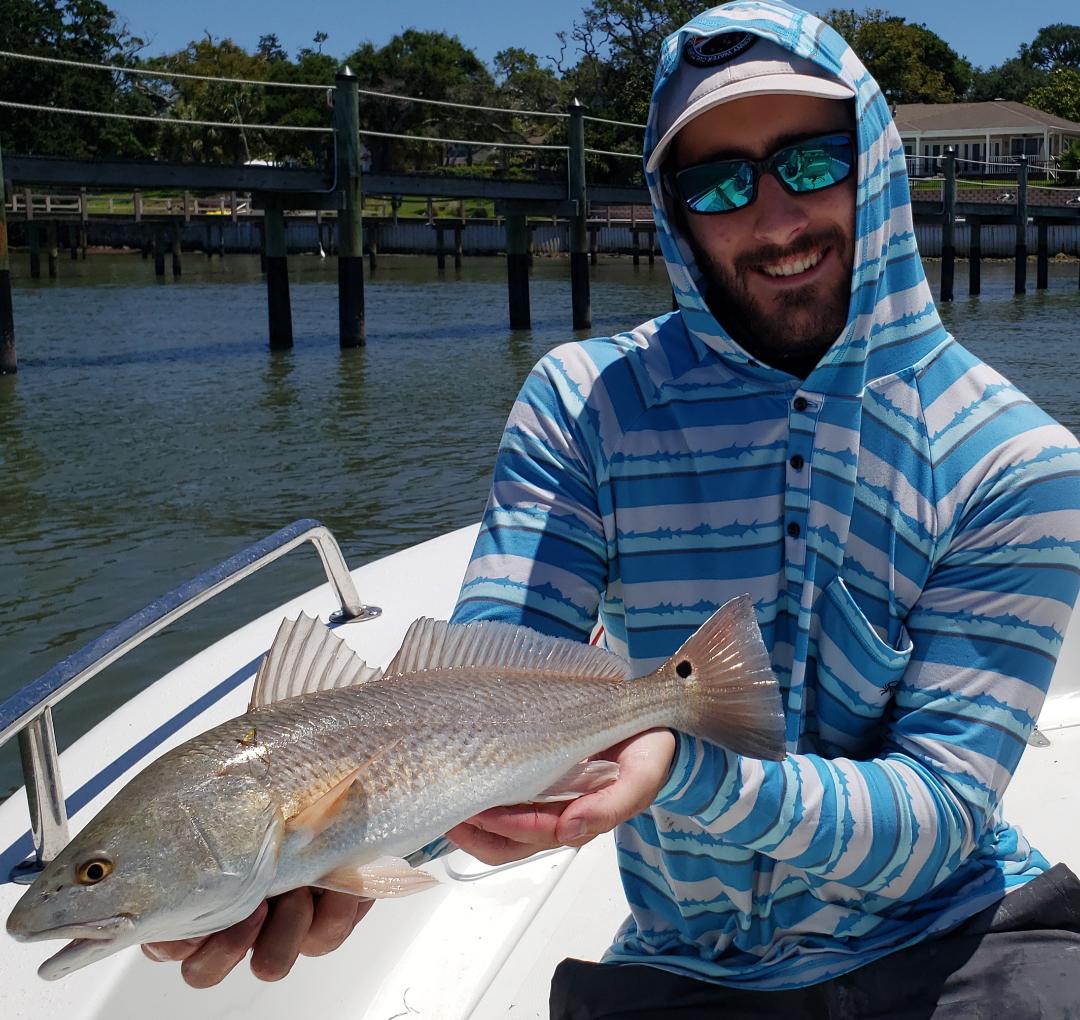

In my opinion there are a handful of outside factors that can ensure angling success or failure. Where things get tricky, is that they often need to all come together simultaneously. Here’s your checklist for having a great day of fishing.
Tides
The movement of water in and out of an area controlled by the moon. The tides rise and fall day in and day out, and sometimes, certain times of the year, can also be impacted by wind as well. What this means for you as an angler can be any number of things or numerous all at once. Bait will be brought to predators; fish will push into and leave areas based on the water level and it also means that you may or may not be able to access certain areas the way you may want. The movement of water will impact your fishing opportunities and techniques to be sure.
Locations/Habitats
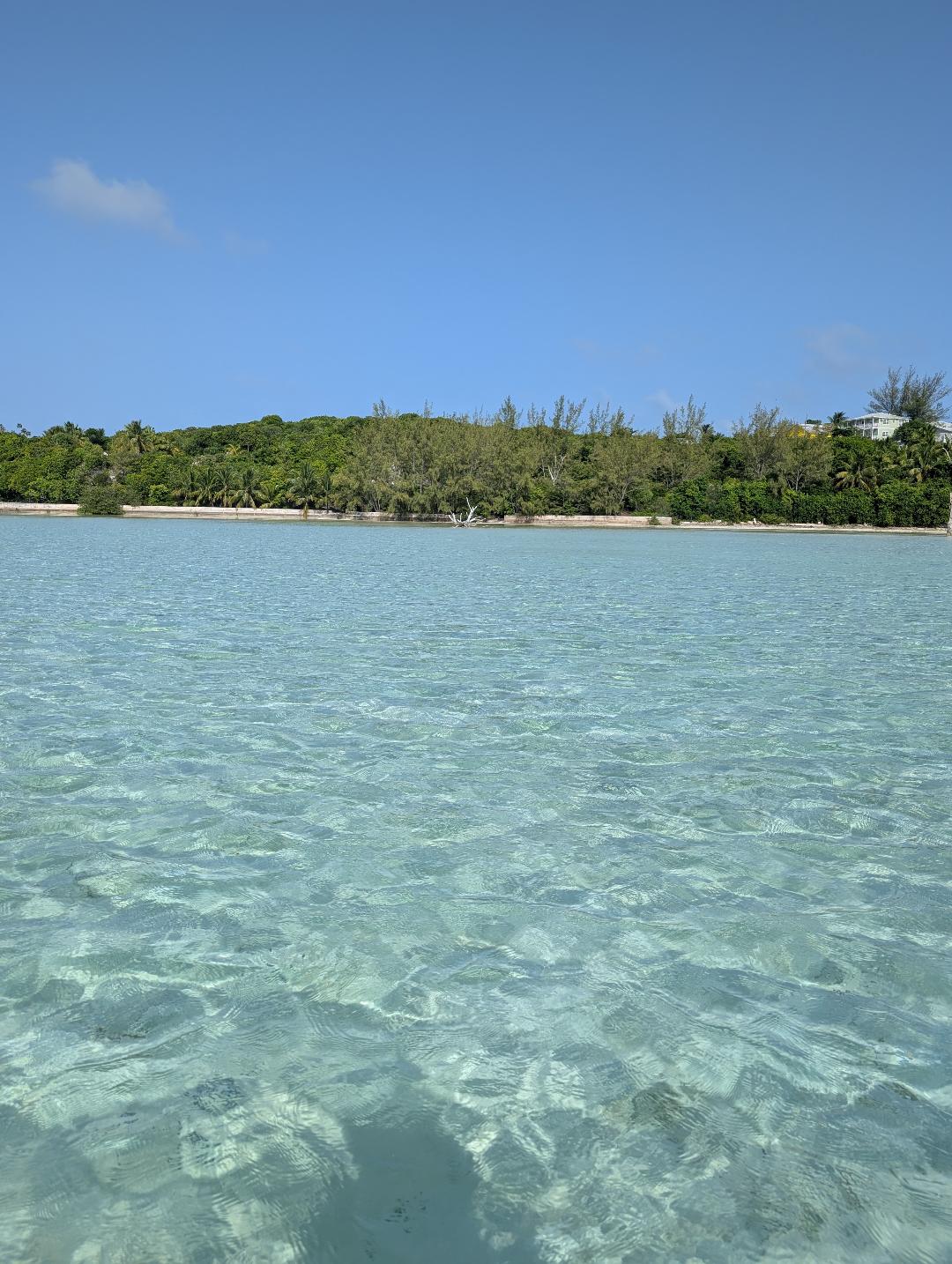
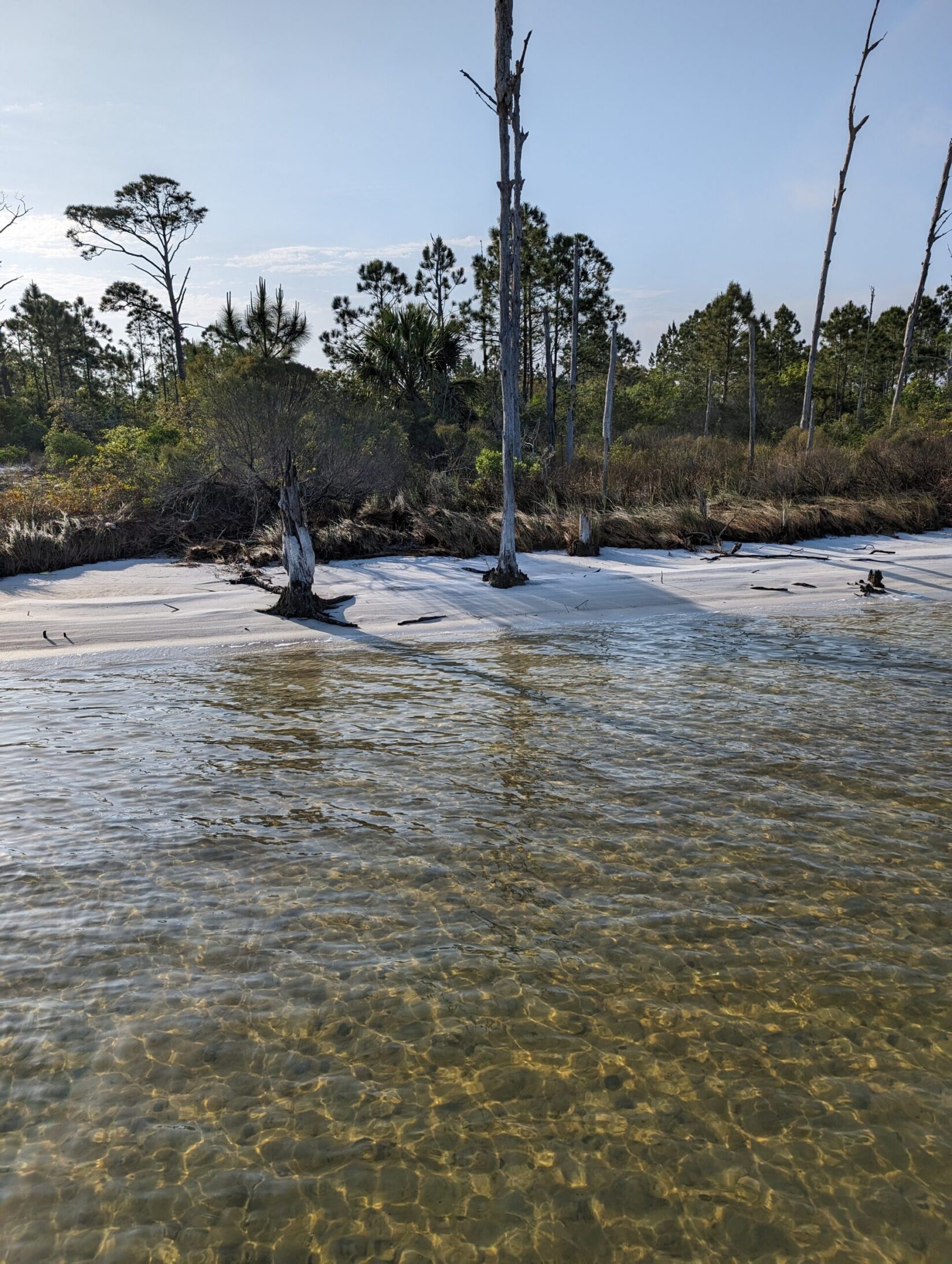
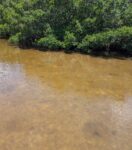
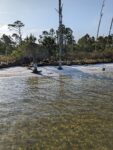
Mangroves, beaches, docks, jetties, oyster bars, you name it. This is the “spot”, it’s where you are fishing. Different fish hangout in different areas for a variety of reasons. Understanding why and even more importantly, when fish are where they are is super important. You have to be in the right place at the right time.

Bait
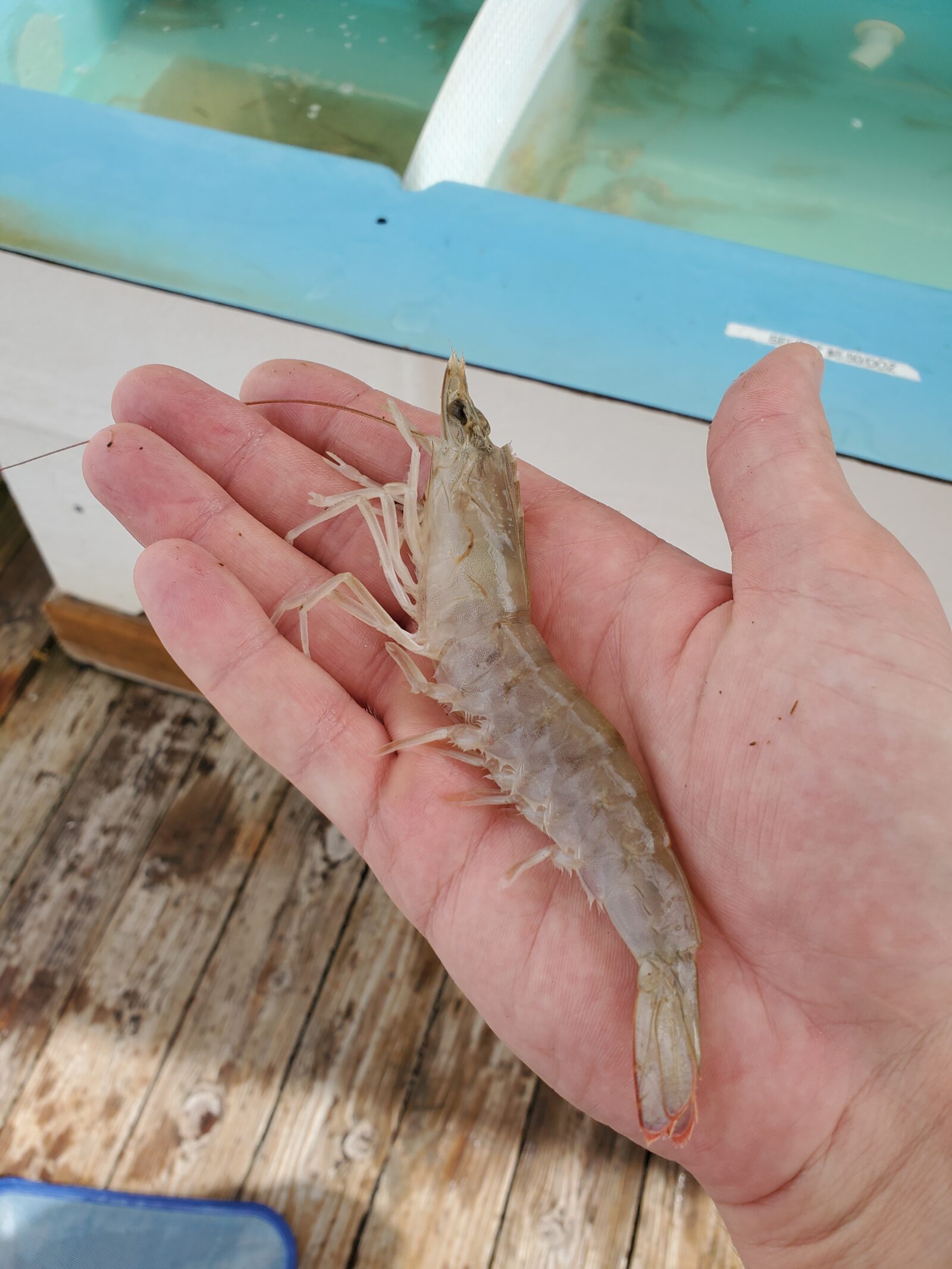
This should come as no surprise. What are the fish eating? In-short, different fish eat different things all throughout the year. One should remember that there can sometimes be crossover in baits. In other words, sometimes the bait that works well for one species can also work well for another at the same time (or even at a different time of the year). “Matching the hatch” is an important way to help you catch more fish.
The Great Angling Puzzle
Understanding all the factors above on an individual level is important but understanding how they all fit together is another thing entirely. For example, consider the following scenario. A dock that you where you would pull redfish out of a month ago is no longer productive. The habitat didn’t change, but what tide were you fishing? Did you make a note of the tide you were catching them before? Perhaps you’re fishing it at the wrong tide. If not the tide, then perhaps your baits are too small, or perhaps the weather has warmed up and now they only want to eat certain cut baits rather than live baits.
You’ve decided to leave said dock and fish a mangrove island for reds. There may be fish that come and go from this location, but it may only be productive from a fishing standpoint on certain stages of the tide certain times of the year, or even times of the day. You can soak cut baits or a lively baitfish all day without a bite, or you might get one bite all day as soon as the conditions all line up. All this simply because this isn’t the time of year or the right tide combined with the right time of year and the correct bait(s).
The two situations that I have just laid out are for redfish, which are typically easier to pattern than other species. Apply this to tarpon or snook or even offshore species and it’s another conversation entirely. If one were to throw in the variables of flies and artificials and that adds yet another level of complexity.
The Angler
All of the previous items that I have mentioned I described as outside factors, but there is one thing that is worth brining up that may trump all of these. It’s not an external factor, but internal, it lies within the angler themselves, their ability. Consider this; the tides are perfect, choice baits, it’s the right time of year for the target species, you’re fishing pristine habitat in which you know your quarry resides, it’s all going according to plan, but when you step up to the plate, you can’t deliver.
The cast that needs to be under the mangroves or under a dock ends up stuck in the trees or wrapped around a piling. A leader is reeled all the way up into the guides and breaks a fish off (and the rod tip) boatside. You forget to bow to the hooked tarpon; it’s the only bite you get all day on the one guided tarpon trip that you saved up for all year long. Hatches are slammed, anchors haphazardly thrown overboard, drags set too loose or too tight, the list goes on.
Just because everything looks good from a preparation standpoint and you have what you think is a good understanding of the fish, doesn’t mean that you will have success. You need to have the ability and discipline to make it happen when your opportunity comes.
In Sum
I am not trying to discourage angling at all. The goal of this piece is twofold; to help people garner an understanding of just how difficult it is to have success on the water, and to give one piece of advice that will help people to achieve this success. The one thing that will remedy most of your angling problems is simply, time.
Time on the water will help you to get better so that you don’t make mistakes and lose fish. It will help you to learn where the fish go, when and why. It will help you to understand what fish eat, when and where as well. There is no replacement for time on the water, so if anything, this piece is actually encouraging you to go out and go fishing.
Know your local angling rules and regulations, stay positive, ask questions and get out on the water and catch some fish.
If you enjoyed this piece, then perhaps you’d also enjoy reading my latest post as well. Click here to read about my Bahamas trip.
Until next time, tight lines.